Christianity Cannot Exist Without Judgment
What Christianity Assumes About You

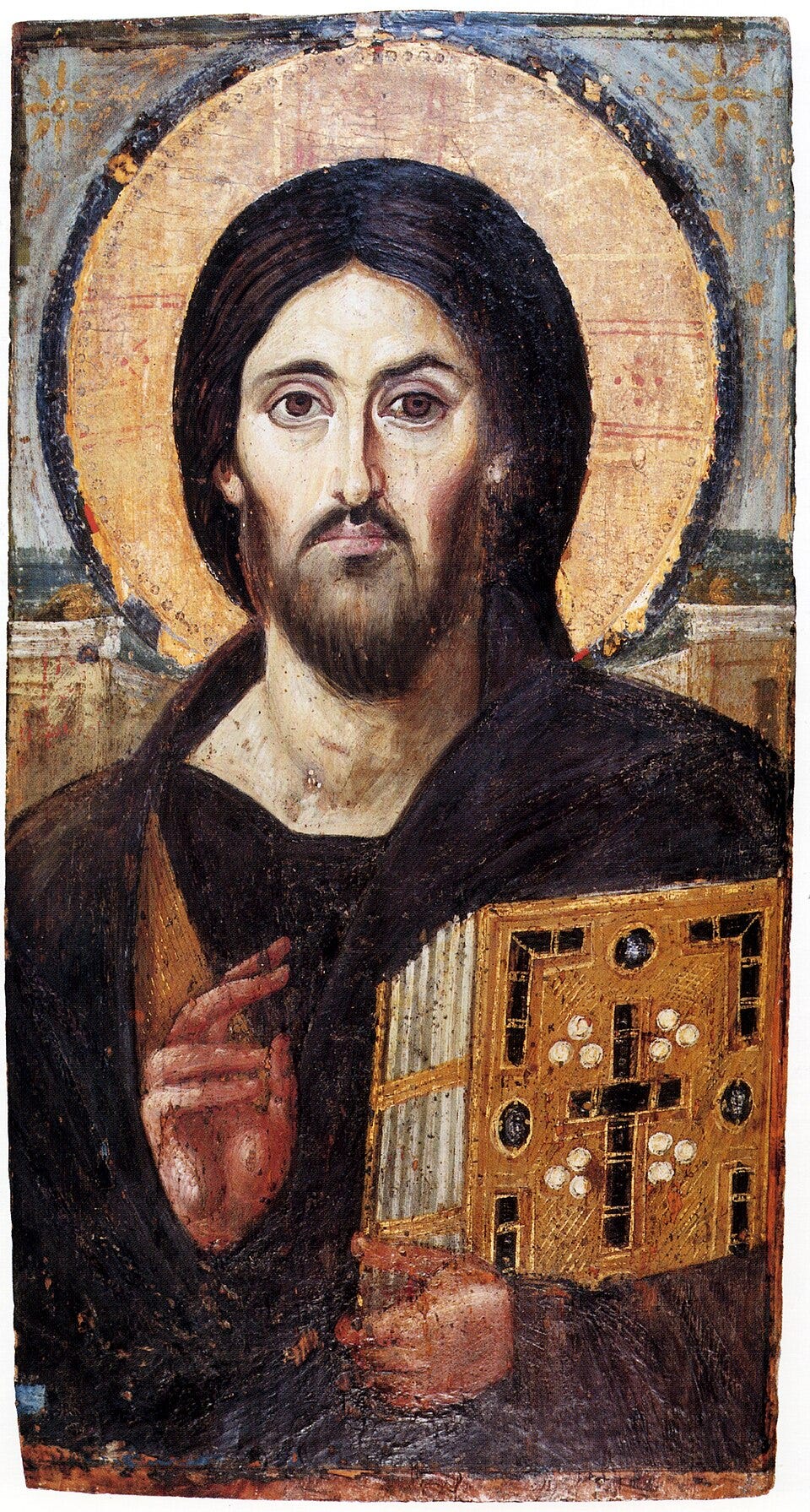
You live your life before judgment, whether you acknowledge it or not.
From its first pages to its final ones, the faith treats human life as something seen, weighed, and answered to. Christianity begins with reality, and reality includes judgment.
The discomfort many people feel around this word is understandable. Judgment sounds harsh, final, or cruel, especially in a culture that prizes unconditional affirmation as the highest moral good. Yet Christianity has always understood judgment as a condition of meaning itself. Without judgment, mercy loses depth. Repentance loses direction. Love loses seriousness.
A Christianity without judgment would feel gentler, perhaps even kinder, yet it would no longer be Christianity…
The Western Spirit exists because of readers like you. Join us and help keep this project alive and independent.
If you’ve been enjoying these essays, consider becoming a paid subscriber. For a few dollars a month, you’ll get:
In-depth pieces on forgotten battles, brave men, and turning points in Western history
Reflections on faith, order, tradition, and the deeper meaning behind culture
Full access to the growing archive — essays, book breakdowns, and historical deep dives
This project exists because readers like you make it possible.
You Live Before a Gaze
Christianity begins by assuming that your life is visible in a way that goes far beyond social observation or reputation.
You are seen even when no one is watching you, even when your actions remain private, even when your inner life feels sealed off from the rest of the world. This belief is introduced as a description of the moral landscape in which you already live. Your life unfolds before a presence that does not miss details, does not forget, and does not grow bored or distracted.
Scripture expresses this:
“The eyes of the Lord are in every place, beholding the evil and the good.”
— Proverbs 15:3
It means that your actions participate in truth, that what you do matters because it enters into a reality that can be known and evaluated. You are not drifting through a morally foggy universe where nothing quite lands.
When judgment disappears from this picture, moral life becomes strangely unreal. Actions lose depth. Responsibility becomes performative. Christianity insists that you live before something real because it believes your life deserves to be taken seriously.
Judgment Makes Sin Intelligible
Christianity speaks to you about sin because it believes misalignment is real.
Sin is not presented as a social mistake or a therapeutic category. It names the way your life can drift away from the order that sustains it. Judgment enters here as discernment, as the naming of what accords with reality and what distorts it.
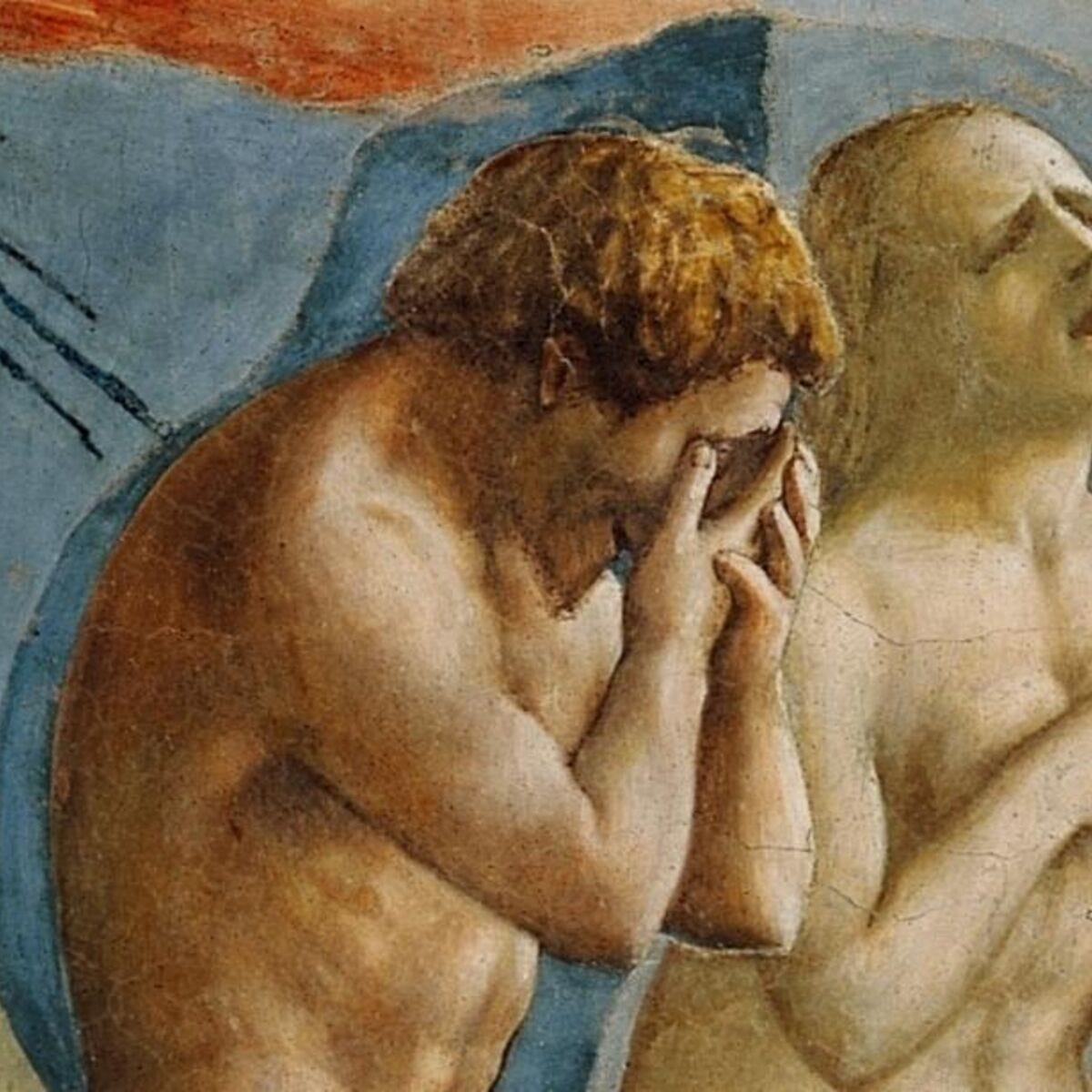
Augustine of Hippo described sin as curvatus in se, a turning inward of the soul. Judgment identifies this inward collapse so that reorientation becomes possible.
Without judgment, sin becomes vague. Repentance becomes unnecessary. Forgiveness loses coherence. Christianity speaks judgment over your life because it believes healing requires truth.
Judgment Is an Act of Love Directed at You
Christianity does not oppose judgment to love. It understands judgment as one of love’s necessary expressions.
Love seeks your good. It desires your alignment with what gives life. Judgment clarifies direction by naming where your life has drifted away from that good.

Christ speaks of judgment:
“This is the judgment, that light has come into the world, and men loved darkness rather than light.”
— John 3:19
Judgment here exposes reality and invites response. You are free to turn toward the light. Love remains present throughout, patient and demanding at once.
Mercy becomes meaningful precisely because judgment has already spoken truthfully about your condition.
Your Conscience Is Where Judgment Speaks
You experience judgment inwardly through conscience.
Christianity treats conscience as the interior witness to moral reality, a voice that evaluates your actions in light of truth even when no one else is present.

John Henry Newman described conscience as the “aboriginal vicar of Christ,” emphasizing that moral awareness speaks within you because it corresponds to something objective.
When judgment is removed, conscience dissolves into preference. When judgment remains, conscience becomes orientation. It guides you toward coherence rather than comfort.
Judgment Gives Your Life Seriousness
Christianity treats your life as serious because it believes your choices endure.
You are not drifting through a morally weightless world. Your actions echo beyond the moment in which they are made. Judgment establishes continuity between what you choose now and what you become over time.
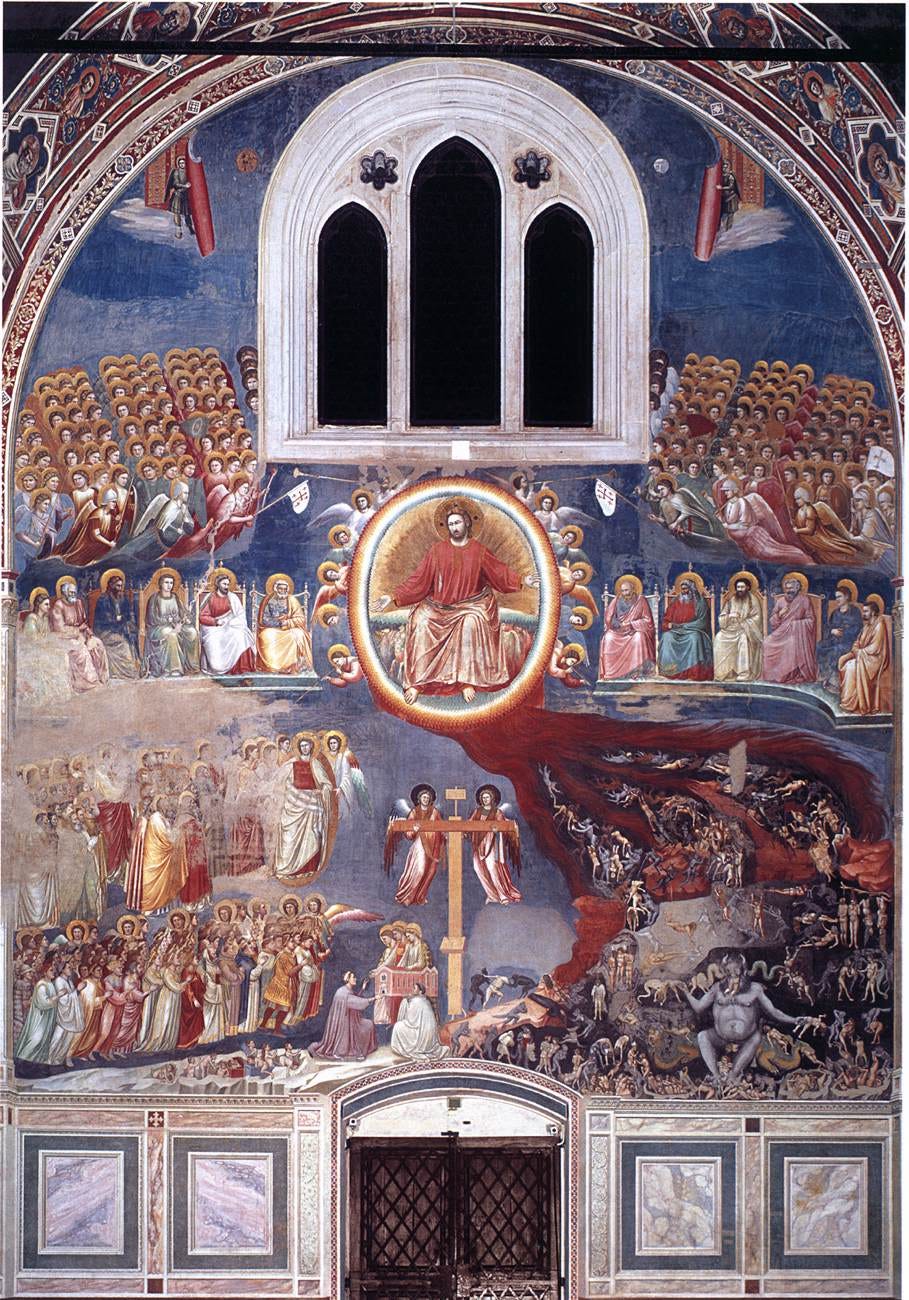
Thomas Aquinas understood judgment as an act of reason that distinguishes truth from falsehood and directs the will accordingly. Through repeated judgment, your soul learns to see clearly.
Virtue grows through this clarity. Formation depends on judgment repeated patiently, shaping your desires over time.
You Stand Before the Cross Under Judgment and Mercy
The Cross stands at the center of Christianity because it holds judgment and mercy together.
Christian theology understands the Cross as the place where sin is judged fully and love is given completely. Judgment names the gravity of sin. Mercy bears its cost.
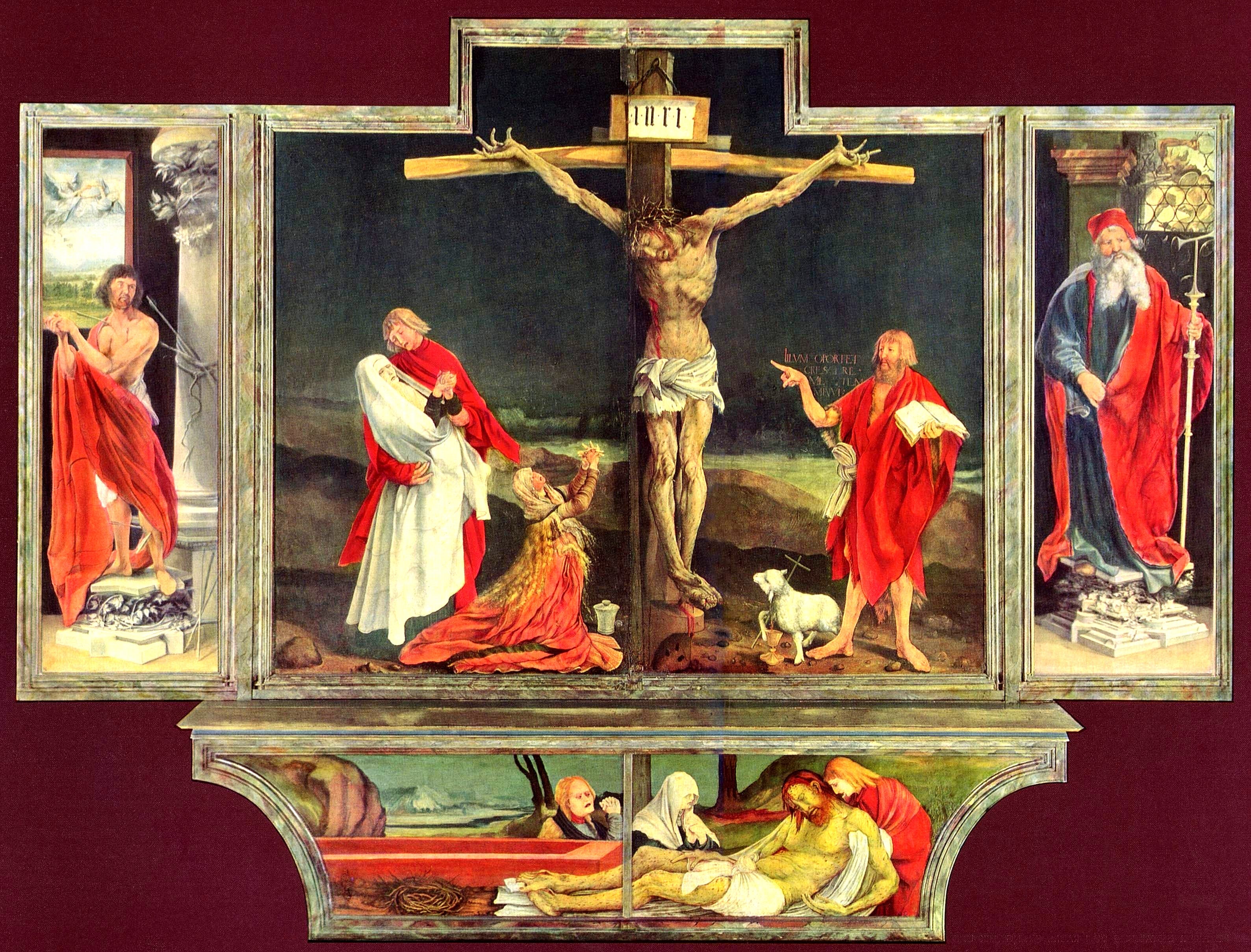
Anselm of Canterbury insisted that forgiveness fulfills justice rather than bypassing it. Judgment remains present, yet its weight is carried by Christ.
This vision preserves seriousness while offering hope. Judgment does not disappear. It is transformed.
You Are Moving Toward Judgment
Christianity directs your attention toward final judgment because it believes your life has direction.
History moves toward fulfillment. Your choices participate in that movement. The Last Judgment affirms that truth matters and that your life possesses coherence beyond what you can see.

Dante Alighieri structured the Divine Comedy around judgment because he understood moral order as the architecture of reality itself. Heaven and Hell reflect orientation, the culmination of what the soul has loved.
Judgment reveals where your loves have led you.
You Cannot Remove Judgment Without Emptying the Faith
A Christianity without judgment would ask nothing decisive of you.
It would offer comfort without transformation, mercy without repentance, love without truth. It would feel easier to accept, yet it would quietly lose its ability to change lives.
Christianity speaks judgment over you because it takes you seriously. It believes your life matters. It believes your choices form you. It believes truth is something you can align yourself with rather than redefine.
You live before judgment already. Christianity simply tells you the truth about it -- and then invites you to step into the light.
This is brilliant philosophical work tbh. The framing of judgement as what makes sin intelligble rather than just punitive really clarifies something most people miss. I've noticed in conversations about ethics, once you remove the idea that actions can be objectively evaluated, the whole discussion just collapses into preference swapping. The curvatus in se reference nails it becuase it shows judgment isn't external condemnation but recognition of internal misalignment.
So good. The judgement of God is meant to bring reconciliation to Him. So thankful for Jesus so when I get it wrong He can give me another shot to get it right